Cardboard Filler Packaging That Keeps Your Loads Stable and Protected
Eco-friendly, impact-resistant, and custom-fit honeycomb cardboard fillers designed to stabilize, pad, and protect your products in transit.

Key Benefits of Honeycomb Void Fillers
Custom Fit
Adapted to box dimensions, products, and transport conditions.
Stablization & Support
Reinforce and secure loads in transport.
Lightweight and Efficient
Fills space without adding unnecessary weight.
Clean and Recyclable
No dust, no plastic. Sustainable alternative to styrofoam.
How Carboard Filler Packaging Makes The Difference
Cardboard filler packaging is the unsung hero of secure shipments. It fills empty space, cushions impact, and keeps your products from shifting during transport ā reducing breakage, optimizing loading, and improving handling.
The right void filler packaging helps you:
- Stabilize products inside boxes, crates, or containers
- Prevent movement, impact, and surface damage
- Optimize load distribution and stacking
- Lower shipping costs by reducing over-packaging
- Choose an eco-friendly, 100% recyclable alternative to styrofoam
Choose the Right Carboard Filling Solution
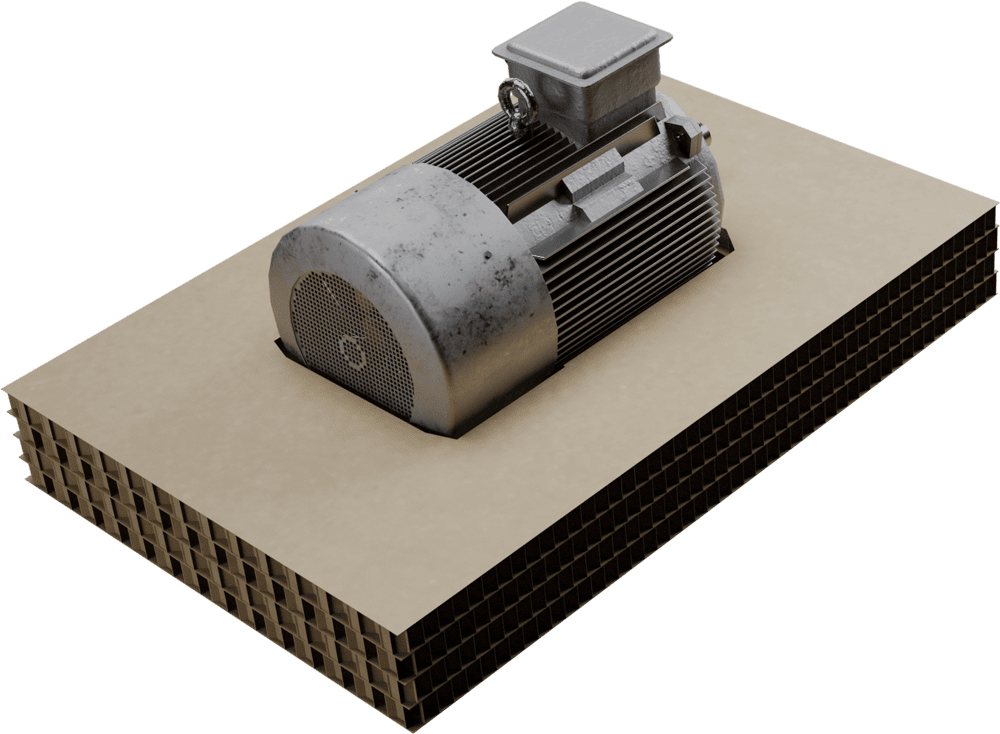
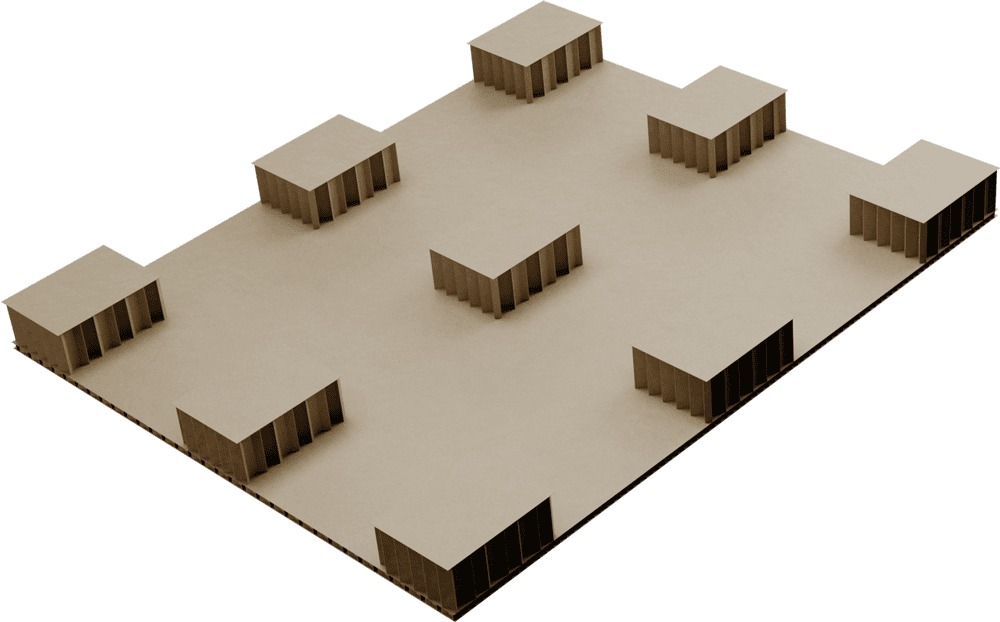
Honeycomb Blocks
Protective and supportive blocks to separate or hold products in place inside boxes, pallets, or containers.
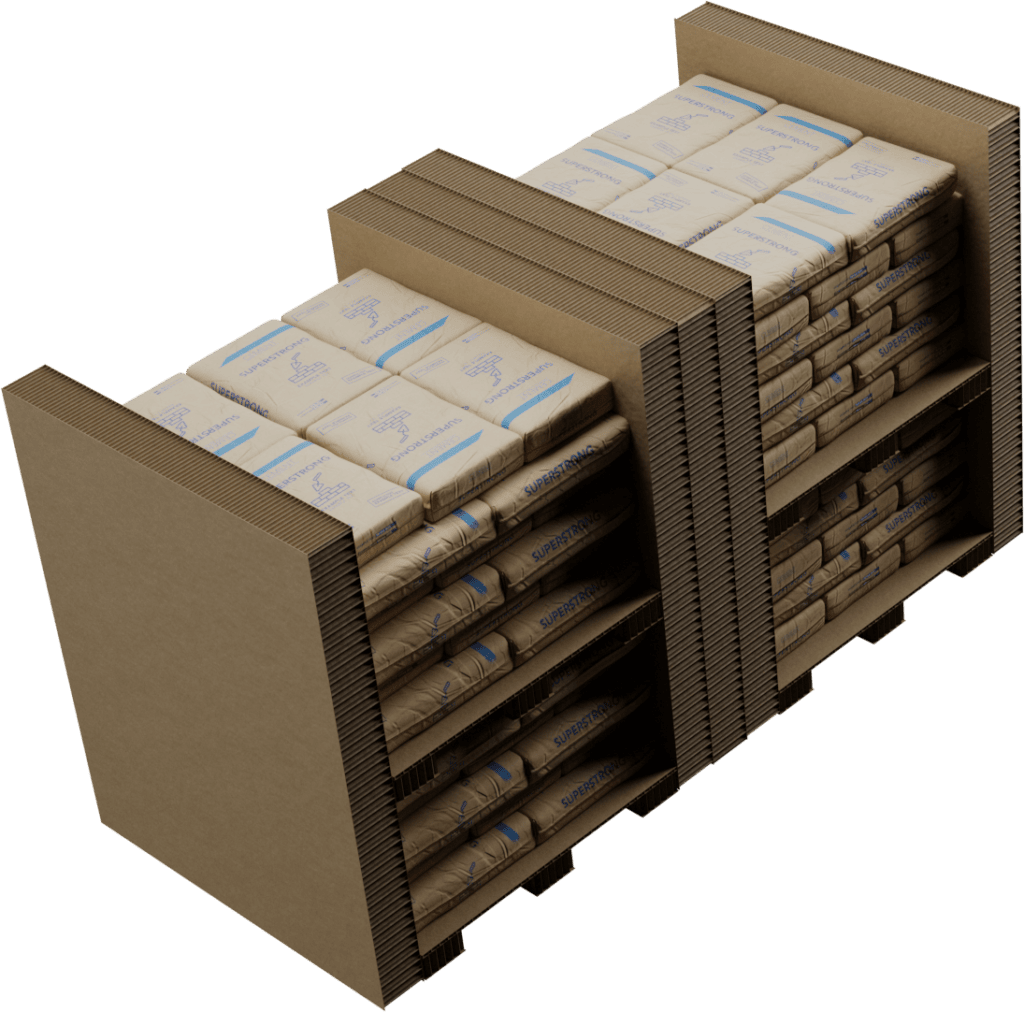
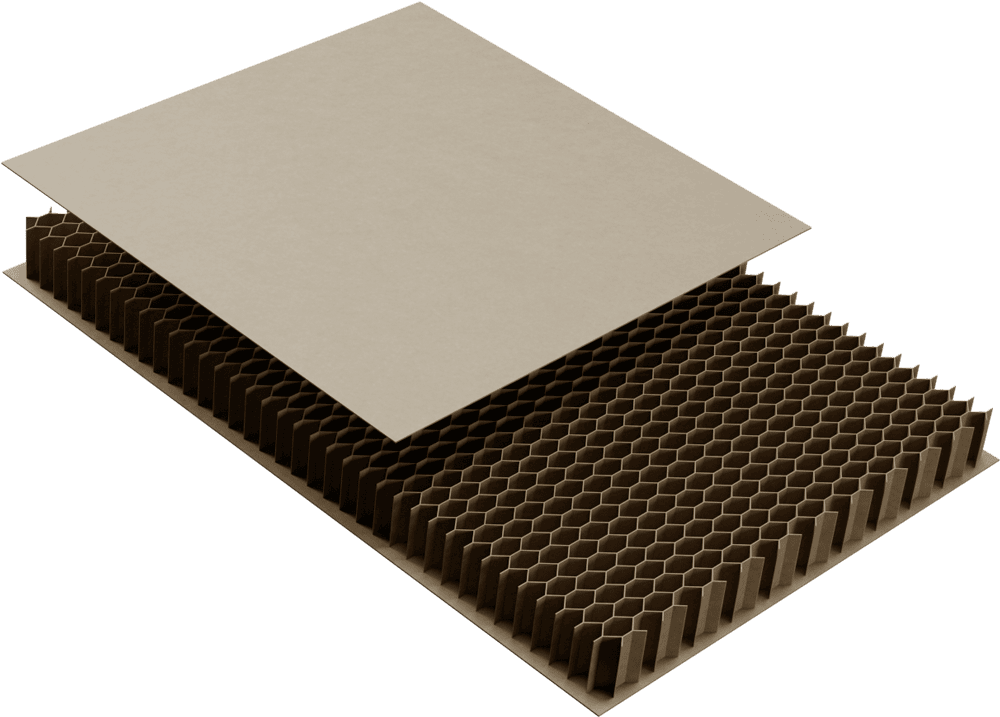
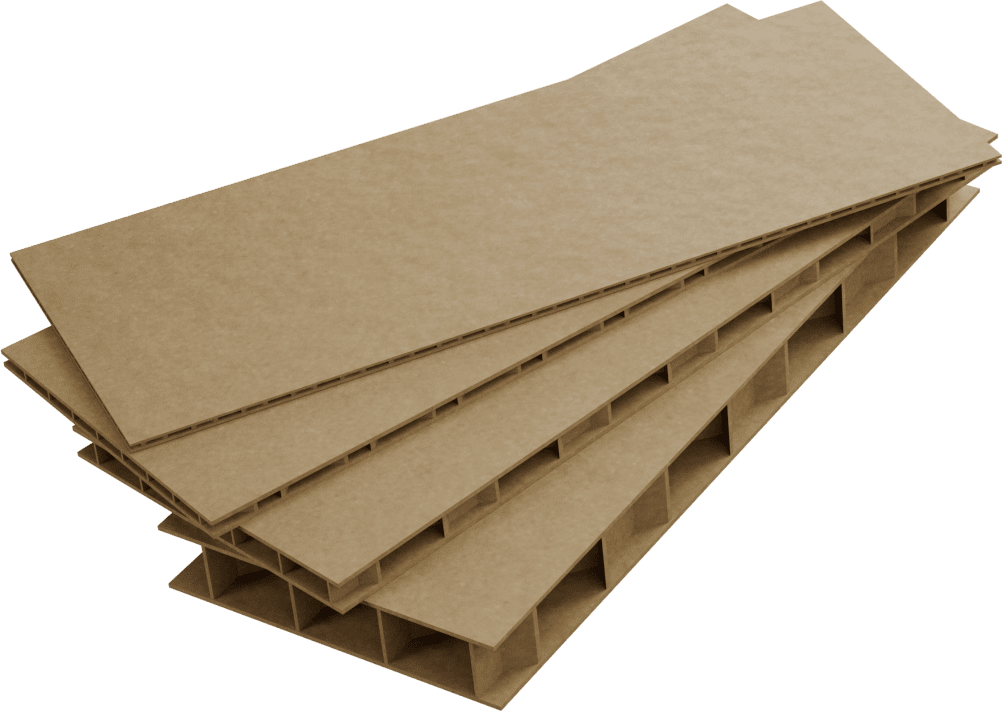
Honeycomb Sheets
Use as interlayers or surface pads to protect, separate, and structure stacked goods.
Product-Fit Inserts
Precisely cut to match your product’s shape and fully fill the box interior. Ideal for optimal load stability.
Frequently Asked Questions (FAQ) About Cardboard Filling
What mistakes should I avoid with generic void fillers?
Common mistakes include using the same filler for every product, underestimating the weight or shape of the part, not validating the filling in real conditions, ignoring the density or thickness of the material, filling only the visible sides and overlooking the standards tied to the mode of transport. Custom-designed fillers offer a better balance between protection and cost.
Which products require more precise or more robust fillers?
Heavy or irregularly shaped industrial parts, electronics, glass and ceramics, auto parts, products with finished surfaces and stacked loads all call for more precise fillers. These are the products most exposed to load movement, vibration and road shocks during transport.
When are cardboard fillers a better choice than plastic fillers?
Cardboard is an excellent choice for shapes that are not extremely irregular: it is recyclable, easy to custom cut and economical for volume. Plastic fillers are sometimes still preferable in the presence of high humidity or water, highly irregular shapes, or for very high cushioning over very long distances. The choice depends on the product, the conditions, your sustainability goals, the volume and the budget.
How can I tell whether my filler protects my product well enough?
Drop, vibration and compression tests, such as those in the ISTA and ASTM standards, make it possible to validate the outer box, the internal filling, stacking resistance, drop behavior and the effect of humidity. It is better to run them before a large shipment than to assume a package is strong enough.
What information should I provide to get a cardboard filler recommendation?
Specify the order volume, the nature and weight of the product, its dimensions, the mode of transport and the storage conditions. This information makes it possible to design fillers that fit your product. To get started, request a free quote.
Ready To Optimize Your Product Packaging?
Get a personalized quote in just a few clicks.
Looking for a job instead?
Download our leaflets
Keep up to date with our innovations and practical packaging tips.